Commercial Rooftop HVAC Maintenance Is About More Than the Unit
For many small businesses, the rooftop HVAC system is easy to forget about until comfort drops, a dining room gets too warm, or employees start noticing uneven airflow. Because the equipment is out of sight, small problems can sit on the roof for weeks before anyone realizes something is wrong.
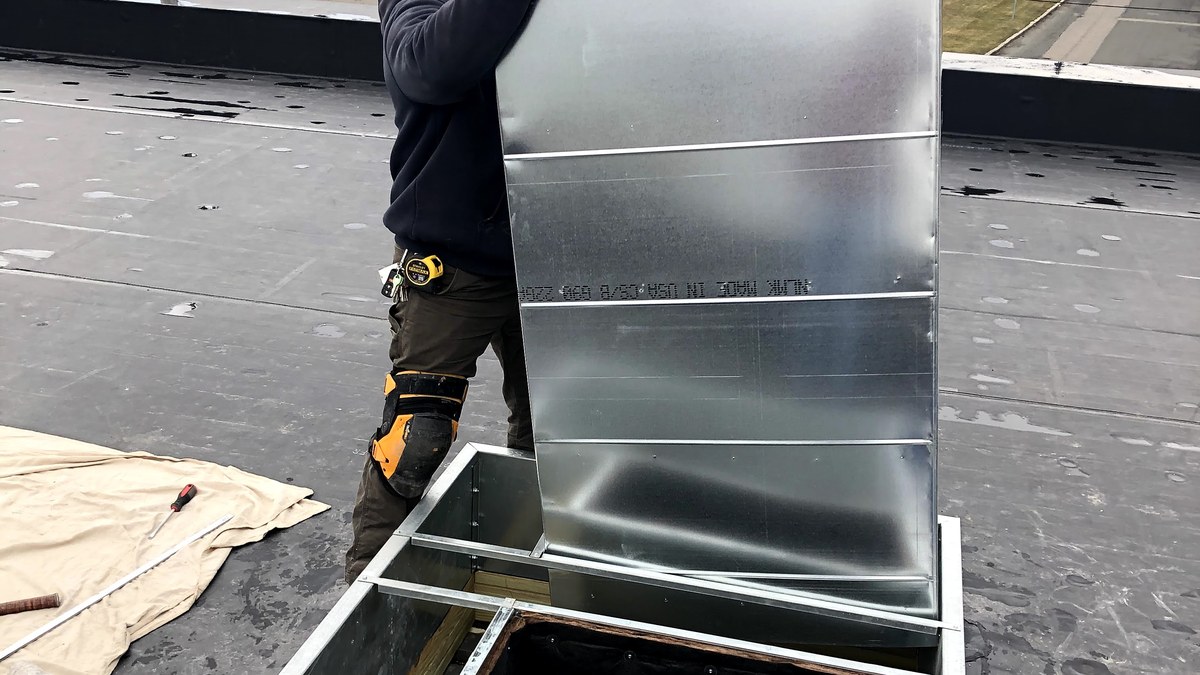
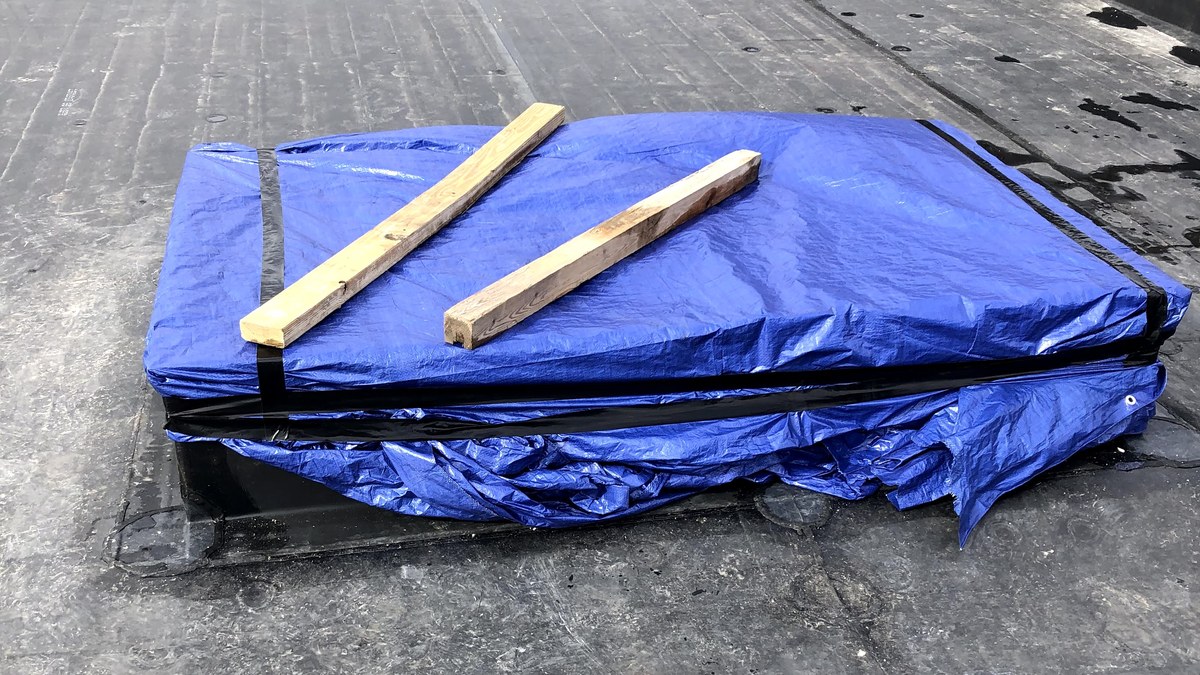
The work photo used for this post shows a flat rooftop work area with a covered equipment curb or rooftop opening. It is a good reminder that commercial rooftop HVAC maintenance is not only about the equipment cabinet itself. The roof curb, penetrations, weather protection, drainage, access, and surrounding roof conditions all affect how reliably a rooftop system can operate.
For businesses in Methuen, the Merrimack Valley, and Southern New Hampshire, seasonal temperature swings make rooftop HVAC maintenance especially important. A system that barely keeps up in spring can become a real business interruption during a hot July afternoon or a cold January morning.
What a Rooftop HVAC System Has to Handle
Commercial rooftop units, often called RTUs, are exposed to weather year-round. Rain, snow, ice, wind, pollen, leaves, rooftop debris, and repeated freeze-thaw cycles can all affect performance. Even when the unit is mechanically sound, the area around it can create problems if it is not maintained.
A rooftop system depends on solid installation details and routine checks, including:
- secure roof curbs and proper sealing around penetrations
- clear access for service technicians
- safe electrical and control connections
- clean coils and unobstructed airflow
- properly draining condensate lines and pans
- belts, motors, bearings, and blower components in good condition
- filters changed on the right schedule for the building
When any of these are neglected, the system may run longer than it should, deliver weaker comfort, or fail during peak demand.
Warning Signs Your Rooftop Unit Needs Attention
Business owners and property managers do not need to climb on the roof to know when something may be wrong. Many warning signs show up inside the building first.
Watch for:
- rooms that are suddenly too hot or too cold
- weak airflow from vents
- unusual noises when the system starts or stops
- short cycling, where the unit turns on and off frequently
- higher electric or gas usage without a clear reason
- odors from supply vents
- water stains near ceiling areas or roof penetrations
- comfort complaints from customers, tenants, or employees
These symptoms do not always mean the unit needs replacement. Sometimes the fix is a maintenance issue, a control adjustment, a dirty coil, a failing belt, a blocked drain, or a small part that should be handled before it causes a larger shutdown.
Why Rooftop Access and Weather Protection Matter
A rooftop HVAC system needs safe, practical access for inspection and repair. If access is blocked, unsafe, or delayed, a simple service visit can take longer than necessary. In emergency situations, that time matters.
Weather protection also matters. Rooftop openings, curbs, and exposed work areas must be handled carefully so water does not create damage around the system. A commercial HVAC technician will look beyond the machine and pay attention to the conditions around the installation. That includes signs of pooling water, loose materials, damaged seals, and anything that could affect the system or the building envelope.
This is one reason preventative maintenance is valuable. It gives a technician time to look at the whole rooftop HVAC setup, not just the part that is making noise today.
Maintenance Helps Prevent Business Interruptions
For restaurants, retail spaces, offices, and light commercial buildings, HVAC downtime can affect more than comfort. It can disrupt employees, customers, tenants, and operations. If a business also relies on refrigeration or kitchen equipment, one equipment emergency can quickly become a stressful day.
NewGen HVAC works with both HVAC and commercial refrigeration, which helps local businesses get practical service support without having to coordinate several different vendors. When a building has rooftop HVAC, walk-in coolers, reach-in equipment, or commercial kitchen equipment, it helps to work with a company that understands how comfort and operations fit together.
Preventative maintenance cannot prevent every repair, but it can reduce surprise failures by catching worn parts, dirty components, airflow problems, and drainage issues early.
What a Practical Rooftop HVAC Maintenance Visit May Include
Every building is different, but a rooftop HVAC maintenance visit often includes checks such as:
- replacing or inspecting filters
- checking thermostat and control operation
- inspecting belts, pulleys, motors, and blower operation
- cleaning or evaluating condenser and evaporator coils
- checking refrigerant-related performance indicators when appropriate
- inspecting electrical connections and contactors
- checking drain pans and condensate lines
- looking for vibration, noise, or loose panels
- reviewing the roof curb and surrounding installation area for visible concerns
The goal is not to sell unnecessary work. The goal is to understand the condition of the system and explain what needs attention now, what can be monitored, and what may be worth planning for later.
When Repair May Be Better Than Replacement
Not every rooftop HVAC problem means the unit is at the end of its life. If the system is reasonably sized for the building and the major components are still in serviceable condition, a targeted repair may be the smart move.
Repair may make sense when:
- the issue is isolated to a replaceable component
- the unit has been maintained and is otherwise reliable
- comfort problems are tied to airflow, controls, or maintenance needs
- the building owner wants to plan replacement on a better timeline
Replacement may be worth discussing when the system has repeated major failures, cannot keep up with building demand, uses outdated components, or costs too much to keep running. A good contractor should explain the options clearly instead of pushing one answer before diagnosing the equipment.
Local Service for Methuen and Nearby Businesses
NewGen HVAC is a family-run HVAC and refrigeration company based in Methuen, MA, serving businesses and homeowners across the Merrimack Valley and Southern New Hampshire. That local focus matters because weather, building types, and service expectations are different here than they are in other parts of the country.
Whether you manage a small commercial building in Lawrence, operate a restaurant in Haverhill, maintain a property in Andover, or need service support in Salem, NH, the same principle applies: rooftop HVAC systems should be checked before they become an emergency.
Schedule Rooftop HVAC Service Before Peak Weather
If your commercial rooftop HVAC system has not been inspected recently, or if your building has comfort complaints, unusual noises, or uneven temperatures, it is worth scheduling a professional checkup.
NewGen HVAC provides practical HVAC, commercial refrigeration, and commercial kitchen equipment service for Methuen, the Merrimack Valley, and Southern NH. Call (978) 876-8558, email jc@newgenhvac.com, or visit https://www.newgenhvac.com/contact/ to request service or a free estimate. For equipment issues that cannot wait, ask about 24/7 emergency help.