Rooftop HVAC systems do more than heat and cool a commercial space. They also connect the roof, ductwork, insulation, drainage, and service access into one system. When the roof curb or duct opening is not sealed, supported, or planned correctly, a business can end up with comfort complaints, water intrusion, wasted energy, and harder repairs later.
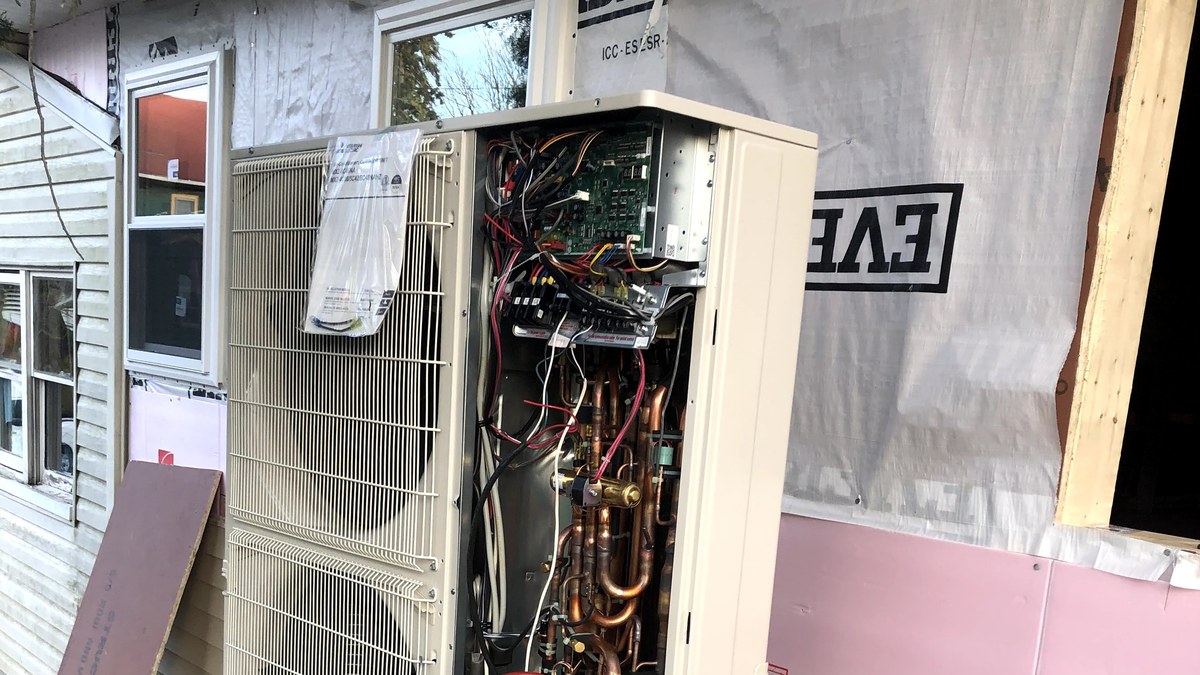
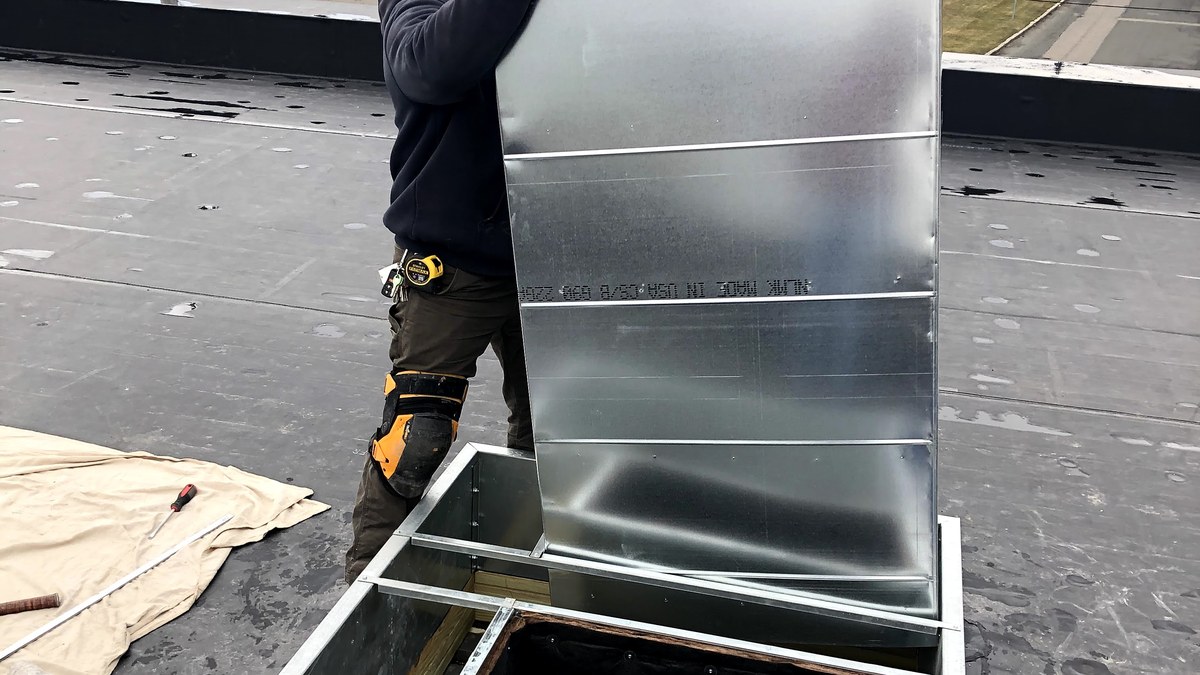
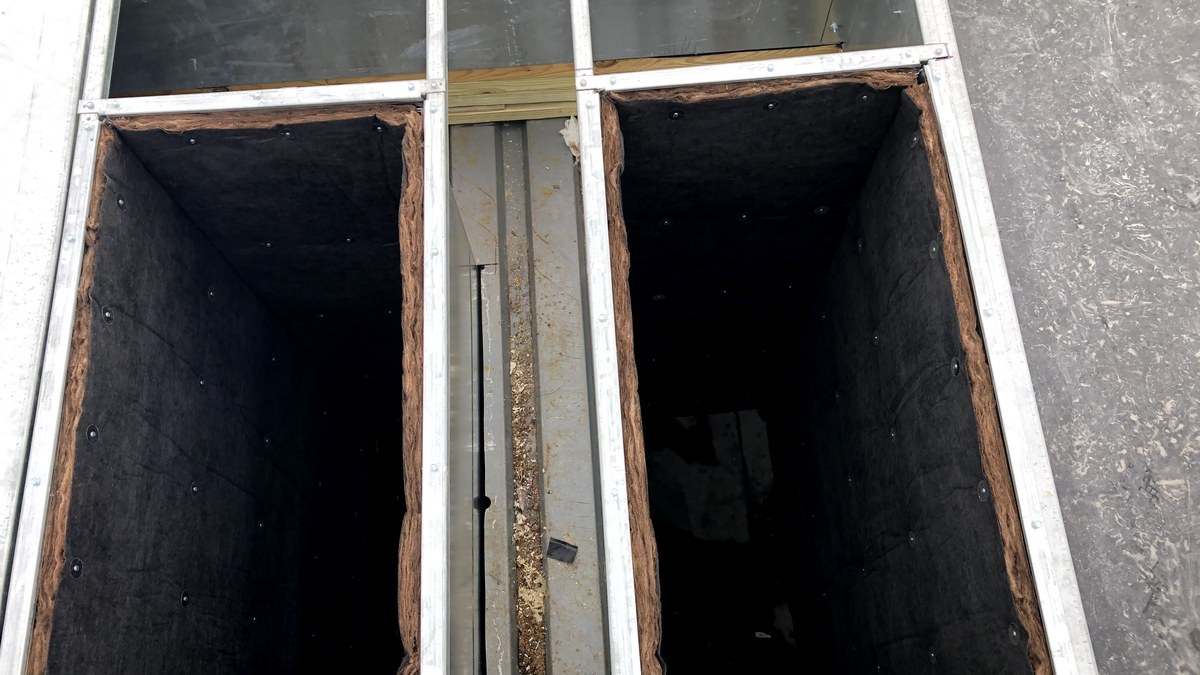
The photo selected for this post shows commercial rooftop HVAC duct openings and an insulated curb area during installation. It is a good reminder that the parts hidden under or around a rooftop unit are just as important as the equipment itself. For businesses in Methuen, the Merrimack Valley, and Southern New Hampshire, paying attention to this detail can help protect the building and keep the HVAC system easier to service.
What Is a Rooftop HVAC Roof Curb?
A rooftop HVAC roof curb is the raised frame or support that connects rooftop equipment to the building. It helps hold the unit, creates the transition into the duct system, and provides a place for flashing, insulation, and sealing.
On many commercial buildings, the curb is where supply and return air pass between the rooftop equipment and the occupied space below. That means the curb is not just a metal box on the roof. It affects airflow, weather protection, structural support, and future maintenance access.
When a business replaces a rooftop unit or renovates a space, the existing curb and duct openings should be checked carefully. The new equipment may have different dimensions, airflow needs, or service clearance requirements.
Why Sealed Duct Openings Matter
Openings in the roof need to be treated with care. If duct connections are loose, poorly insulated, or left with gaps, conditioned air can escape before it reaches the space it is supposed to serve. In the summer, that can make an air conditioner run longer than necessary. In winter, heat loss can make comfort uneven and raise operating costs.
Sealing also matters because roof openings are exposed to rain, snow, ice, and wind. Even small gaps can become problems over time. Water that enters around a curb or duct transition can damage insulation, ceiling materials, framing, and interior finishes. In a restaurant, retail store, office, or light commercial building, a small roof leak can quickly become a business disruption.
Good commercial HVAC work looks beyond the equipment tag. It checks how the unit connects to the building.
Warning Signs a Roof Curb or Duct Connection Needs Attention
A business owner or facility manager does not need to climb on the roof to notice possible warning signs. Call for service if you see or hear issues such as:
- Water stains on ceiling tiles near HVAC drops
- Dripping during or after storms
- Musty smells near vents or above-ceiling areas
- Rooms that are hard to heat or cool even after filter changes
- Whistling, rattling, or air noise near duct transitions
- A rooftop unit that seems to run constantly
- Visible roof damage or ponding water near HVAC equipment
These symptoms do not prove the curb is the only issue, but they are worth investigating. The cause could be flashing, drainage, insulation, duct sealing, unit performance, or a combination of problems.
Replacement Is Not Just About the Rooftop Unit
When a commercial rooftop unit is replaced, it is tempting to focus only on tonnage, brand, efficiency, or age. Those details matter, but the installation details around the curb can affect how the system performs for years.
A practical HVAC inspection should look at whether the curb is level, secure, weather-ready, and compatible with the equipment. It should also check whether the supply and return duct openings line up properly and whether insulation is protected. If adapters or transitions are needed, they should be built to support airflow, not just to make the equipment fit.
For older buildings in the Merrimack Valley, rooftop conditions can vary widely. Some roofs have had multiple equipment changes over the years. Others have older duct openings, patched penetrations, or access limitations. That is why a local commercial HVAC contractor should inspect the actual site before recommending a simple swap.
How Better Planning Helps Business Continuity
Commercial HVAC downtime affects more than comfort. In a restaurant, retail space, office, salon, or small commercial building, uncomfortable temperatures can affect customers, employees, equipment, and productivity. Poor roof curb planning can also make emergency repairs slower because technicians need safe access and clear service space.
A well-planned rooftop HVAC installation can help by:
- Reducing air leaks at duct transitions
- Protecting the roof opening from water intrusion
- Improving airflow into the occupied space
- Making filters, panels, and service points easier to reach
- Reducing avoidable callbacks after equipment replacement
- Helping the system work with the building, not against it
These are not flashy details, but they are the details that often separate a clean commercial HVAC job from a frustrating one.
What NewGen HVAC Looks For on Commercial Rooftop Work
NewGen HVAC / New Generation HVAC LLC is a family-run HVAC and refrigeration company based in Methuen, MA. Since 2014, the team has served homes and businesses across the Merrimack Valley and Southern New Hampshire with practical HVAC service, commercial refrigeration support, and commercial kitchen equipment experience.
On rooftop HVAC work, the goal is straightforward: diagnose the full situation, explain what matters, and recommend a repair or installation path that makes sense for the building. That can include checking the unit, curb, duct connection, drainage conditions, insulation, and service access.
The right answer is not always immediate replacement. Sometimes a system needs sealing, maintenance, drainage correction, or a targeted repair. Other times, replacement is the smarter long-term move. A careful site review helps avoid guessing.
When to Schedule a Commercial HVAC Inspection
If your rooftop HVAC unit is not keeping up, leaking around ceiling areas, making unusual noise, or requiring repeated service, schedule an inspection before the problem grows. Businesses planning a renovation, tenant fit-out, or rooftop unit replacement should also review roof curbs and duct openings early in the process.
NewGen HVAC provides commercial HVAC service for Methuen, Lawrence, Haverhill, Andover, Lowell, Salem NH, Derry NH, and nearby communities. For urgent heating, cooling, refrigeration, or kitchen equipment problems that cannot wait, 24/7 emergency help is available.
To schedule service or request a free estimate, call NewGen HVAC at (978) 876-8558, email jc@newgenhvac.com, or visit https://www.newgenhvac.com/contact/.