The short answer: yes, but the details matter
Modern heat pumps can work in New England winters. Homeowners in Massachusetts and Southern New Hampshire use ductless mini-splits, ducted heat pumps, and hybrid systems every year for efficient heating. But a heat pump is not magic, and it should not be sold with one-size-fits-all promises.
The real answer depends on the equipment, the home, the installation, the cold-weather rating, airflow, insulation, electrical capacity, maintenance history, and whether the house needs backup heat for the coldest nights. A well-designed heat pump system can be a strong fit for many homes. A poorly sized or poorly installed system can leave homeowners frustrated when temperatures drop.
NewGen HVAC / New Generation HVAC LLC is a family-run, bilingual HVAC company based in Methuen, MA. Since 2014, we have helped homeowners across the Merrimack Valley and Southern New Hampshire with heat pumps, mini-splits, AC service, heating repairs, and seasonal maintenance. Here is the practical New England version of the heat pump conversation.
Why heat pumps perform differently in cold weather
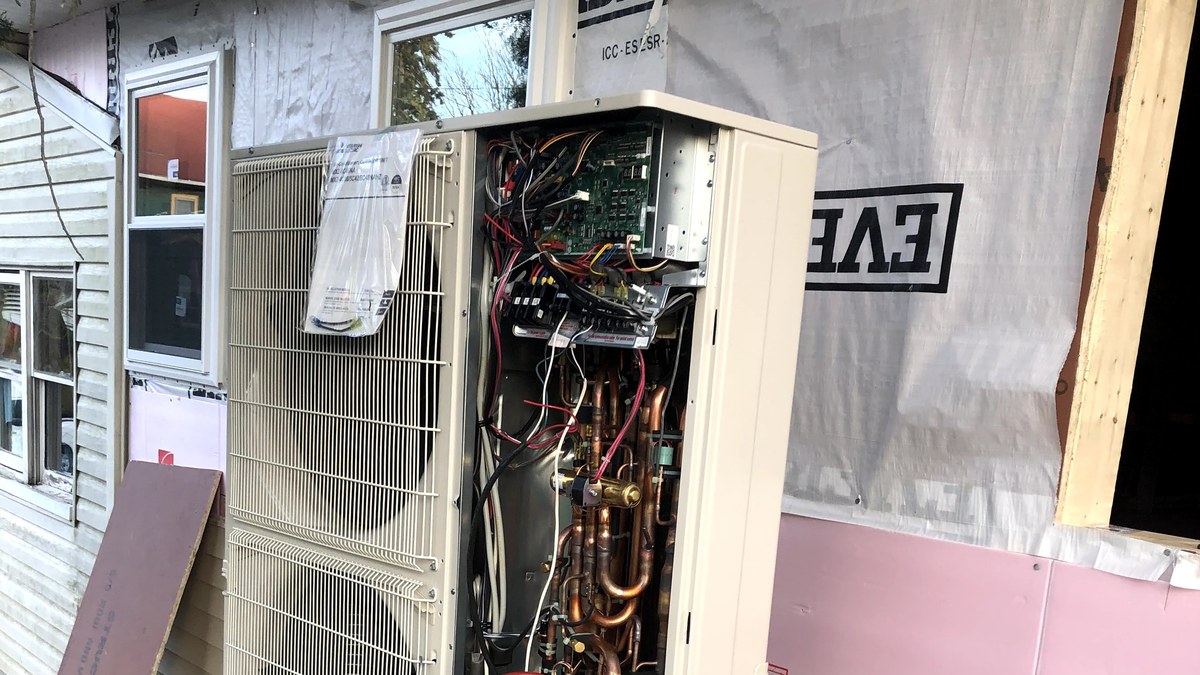
A heat pump heats by moving heat instead of burning fuel inside the home. In heating mode, the outdoor unit pulls heat from outside air and moves it indoors. Even cold outdoor air contains usable heat, but the system has to work harder as temperatures fall.
That is why cold-climate performance matters. Older or basic heat pumps may lose capacity quickly in low temperatures. Many modern cold-climate models are designed to keep producing useful heat at lower outdoor temperatures, but each system still has performance limits. The model selection, refrigerant circuit, compressor type, controls, and installation quality all affect the result.
For a homeowner, the important question is not simply, “Do heat pumps work?” It is, “Will this heat pump keep my specific home comfortable through the winter, and what happens during the coldest nights?”
What makes a heat pump a good fit in Methuen, Merrimack Valley, and Southern NH
Heat pumps are often a good fit when the home has a realistic heating load, decent insulation, proper electrical capacity, and a layout that matches the equipment. Ductless mini-splits can work especially well for additions, bedrooms, finished basements, older homes without ductwork, and rooms that are hard to condition with the main system.
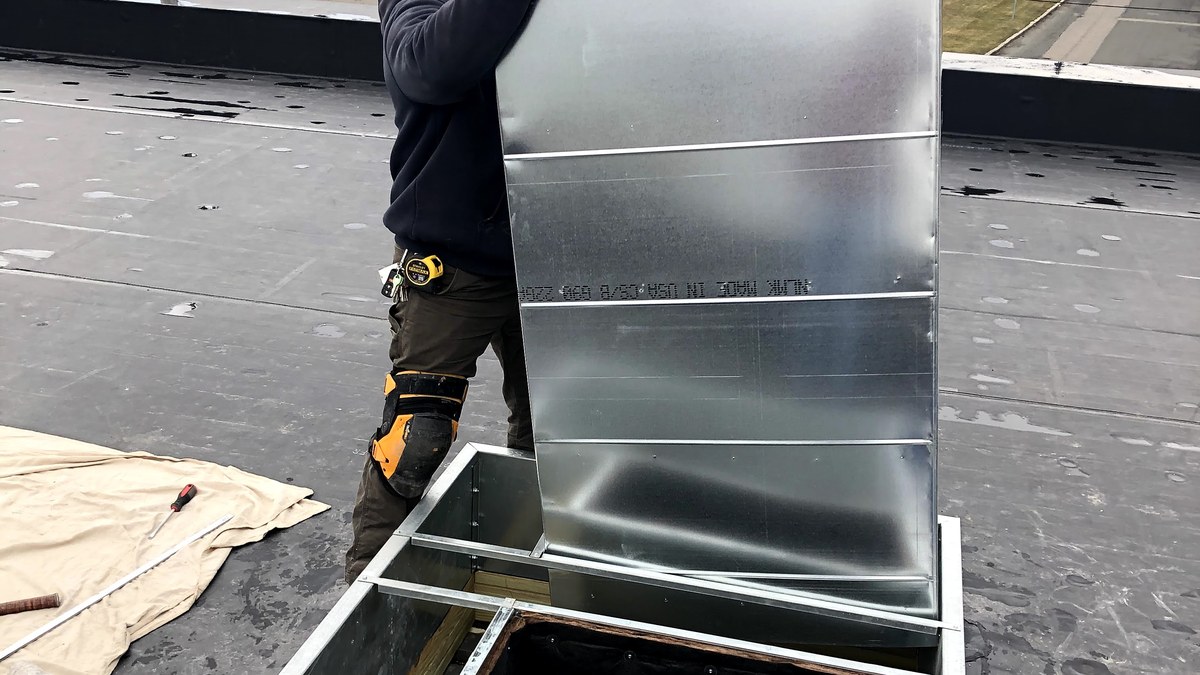
A ducted heat pump can also be a strong option when the ductwork is in good condition and properly sized. If the ductwork is leaky, undersized, poorly insulated, or located in a very cold attic, performance can suffer even if the outdoor unit is good equipment.
Local homes vary a lot. A newer, well-insulated home in Salem, NH may need a different approach than an older multi-zone house in Lawrence or Methuen. That is why a practical inspection matters before choosing equipment.
When backup heat may still make sense
Some heat pump systems are designed to carry most or all of the heating load. Others are designed as part of a hybrid setup with a furnace, boiler, or electric backup. Backup heat is not a failure of the heat pump. In New England, it can be a practical design choice.
Backup heat may be worth discussing when:
- the home has high heat loss or older insulation
- comfort needs are strict during very cold nights
- the system is replacing an older furnace or boiler in stages
- the homeowner wants redundancy if one heat source has a problem
- certain rooms are difficult to heat evenly
- the electrical service limits what can be installed
A good contractor should explain the balance point: the outdoor temperature where the heat pump may need help to keep up with the home. That number depends on the system and the house, not just the town on the map.
Sizing and installation matter more than brand slogans
Heat pump comfort starts with sizing. Bigger is not automatically better. An oversized system may short-cycle, control humidity poorly in cooling season, or create uneven temperatures. An undersized system may run constantly and still struggle during cold weather.
Installation details matter too. Refrigerant line length, charging, controls, drain routing, outdoor unit placement, duct condition, airflow, filter access, and thermostat setup all affect performance. For ductless systems, indoor head placement matters because the unit has to move air through the room without blasting one area and missing another.
Outdoor unit location also matters in winter. The unit needs airflow, drainage, and clearance from snow, ice, leaves, shrubs, and roof runoff. A heat pump that gets buried or iced over will not perform the way it should.
What homeowners should ask before installing a heat pump
Before committing to a heat pump installation, ask practical questions:
- Is this a cold-climate model suitable for our heating goals?
- How was the system sized for the home?
- Will this be the primary heat source or part of a hybrid system?
- What happens on the coldest nights of the year?
- Does the ductwork or room layout need attention first?
- Where will the outdoor unit go, and how will snow and drainage be handled?
- What maintenance does the system need each year?
- Are rebates or incentives available, and who should verify current eligibility?
That last question is important. Rebate programs such as Mass Save or NHSaves may exist and may change over time, but eligibility, equipment requirements, income rules, contractor requirements, and funding can vary. Homeowners should verify current terms directly with the program before making a financial decision. NewGen HVAC can help you understand the HVAC side of the project without making unsupported rebate promises.
Maintenance is not optional in a cold climate
A heat pump works year-round because it handles cooling and heating. That means it can collect summer dust, pollen, grass clippings, pet hair, and moisture before it ever starts heating in the fall. Dirty filters, clogged indoor heads, weak fans, blocked outdoor coils, and drainage issues can all reduce comfort and efficiency.
Before heating season, homeowners should:
- clean or replace filters according to the equipment instructions
- keep indoor heads, vents, and returns clear
- remove leaves and debris around the outdoor unit
- test heating mode before the first cold snap
- listen for new vibration, buzzing, grinding, or rattling
- schedule service if the unit blows cool air too long, short-cycles, leaks, or shows error codes
NewGen HVAC offers a Comfort Plan with annual or monthly membership options, priority scheduling, member pricing on repairs, and tune-up options that help catch small issues early. You can learn more on the Comfort Plan page.
Heat pumps are also useful beyond winter
One reason homeowners like heat pumps is that the same system can provide efficient cooling in summer. Ductless mini-splits are especially helpful in older Merrimack Valley homes where adding ductwork is difficult. They can solve comfort problems in bedrooms, home offices, additions, sunrooms, and finished spaces that the main system does not serve well.
That year-round use also means the system should be chosen with both seasons in mind. The best setup is not only about surviving February. It should also cool well in July, manage humidity, be serviceable, and match how the family actually uses the home.
When to call a local HVAC technician
Call for heat pump service or an installation consultation if your current system struggles in cold weather, runs constantly, leaves rooms uneven, shows error codes, ices up repeatedly, or makes new noises. You should also schedule an inspection if you are considering replacing a furnace, adding ductless mini-splits, or comparing heat pumps with another heating option.
NewGen HVAC is based in Methuen and serves homeowners across Lawrence, Haverhill, Andover, North Andover, Lowell, Tewksbury, Salem NH, Pelham, Derry, and nearby communities. We handle residential HVAC, commercial HVAC, commercial refrigeration, and commercial kitchen equipment, but for homeowners our goal is simple: practical comfort, honest diagnosis, and fair recommendations.
For heat pump service or a free estimate, call (978) 876-8558, email jc@newgenhvac.com, or request service through our contact page. You can also review our services and service areas. For heating problems that cannot wait, ask about 24/7 emergency help.
FAQ
Do heat pumps work below freezing?
Yes, many modern heat pumps can produce heat below freezing. Performance depends on the model, sizing, installation, home heat loss, and whether the system is designed with backup heat for the coldest conditions.
Are mini-splits good for older New England homes?
They can be. Mini-splits are often useful for older homes, additions, finished basements, and rooms without ductwork. The layout, insulation, electrical capacity, and indoor head placement should be reviewed before installation.
Will a heat pump replace my furnace or boiler?
Sometimes, but not always. Some homes can use a heat pump as the main heating system, while others are better served by a hybrid setup. A local HVAC inspection can help compare the options.
Should I wait for rebates before installing a heat pump?
Rebate programs may help some homeowners, but terms and eligibility can change. Verify current Mass Save or NHSaves requirements directly with the program and use the HVAC inspection to decide what equipment actually fits your home.