Why Southern NH Homeowners Are Asking About Heat Pump Rebates
Heat pumps are getting more attention across Southern New Hampshire because they can provide both heating and cooling from one system. For homeowners in Salem, Pelham, Derry, Windham, and nearby towns, that can be appealing when an older air conditioner is failing, a bonus room never feels comfortable, or a home needs a more flexible heating and cooling plan.
The rebate question usually comes up early: “Can NHSaves help with the cost?” The short answer is that NHSaves utility partners do offer rebates and services for energy-saving products, including heating and cooling categories. The important part is that rebate amounts, eligibility rules, equipment requirements, participating utilities, and paperwork can change. Homeowners should verify the current NHSaves terms before signing a proposal or counting on an incentive.
NewGen HVAC / New Generation HVAC LLC is based in Methuen, MA and serves homes and businesses across the Merrimack Valley and Southern NH. We help homeowners think through the HVAC side of the decision: what kind of heat pump fits the home, whether ductless or ducted makes sense, what needs to be inspected first, and what questions to ask before moving forward.
What NHSaves Is, in Plain Language
NHSaves is an energy-efficiency resource supported by New Hampshire utility partners. Its public rebate pages include residential categories such as heating and cooling, weatherization, appliances, thermostats, and related energy-saving programs. Some rebates are handled through online forms, while others may require downloadable paperwork or additional documentation.
That does not mean every heat pump project automatically qualifies. A homeowner may need to confirm utility participation, equipment efficiency requirements, installation requirements, income or program rules, application deadlines, and whether pre-approval is needed. The safest approach is to treat the rebate as a program to verify, not a discount to assume.
Before you make a decision, check the current NHSaves website and your utility’s instructions. If the program language is unclear, contact the program or utility directly so you know what is required before work begins.
Heat Pump Rebates Do Not Replace Good System Design
A rebate can help make a project more affordable, but it should not be the only reason you choose a system. The wrong heat pump in the wrong home can still disappoint, even if it qualifies for an incentive.
A good heat pump recommendation should consider:
- The size and layout of the home
- Insulation, air leakage, and window condition
- Existing ductwork, if the system will be ducted
- Rooms that are too hot or too cold
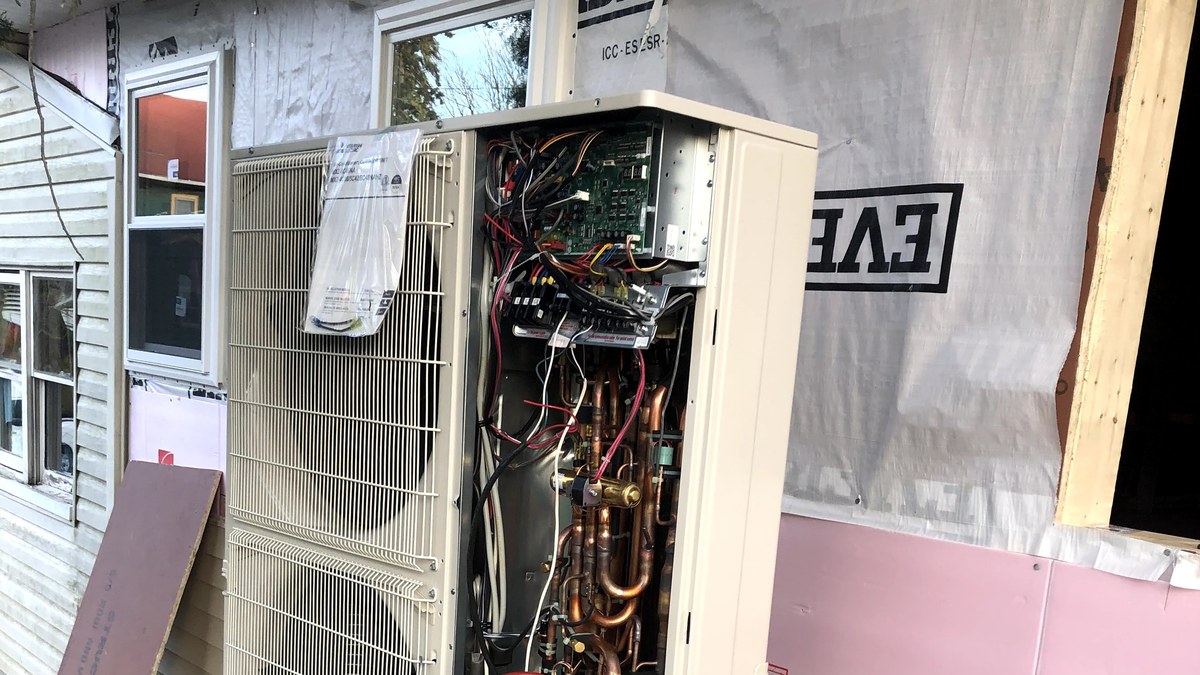
- Electrical capacity and outdoor unit location
- Snow, ice, roof runoff, and service access
- Whether the heat pump will supplement or replace existing heat
- Backup heat needs during extreme cold
This matters in New England. A system that looks fine on a mild fall day may not be the right choice for a windy January night if it was not selected for the home’s real heating load.
Ductless Mini-Split or Ducted Heat Pump?
Many Southern NH homeowners look at ductless mini-splits because they work well for specific comfort problems. A ductless system can serve rooms that do not have ducts, finished basements, additions, home offices, older homes, or second floors that struggle in summer. Each indoor unit serves a zone, which gives homeowners more control over where heating or cooling is delivered.
A ducted heat pump uses ductwork to move air through the home. It can be a strong option when the ducts are properly sized, sealed, insulated, and balanced. If the ductwork is leaky, undersized, or poorly routed, replacing equipment alone may not fix comfort problems.
The better choice depends on the house. In some homes, a ductless mini-split solves a problem room. In others, a ducted heat pump replacement makes more sense. Some homeowners use heat pumps alongside an existing furnace or boiler instead of replacing everything at once.
Questions to Ask Before Counting on a Rebate
Before you assume a heat pump project qualifies for NHSaves, ask clear questions:
- Is my utility participating in the rebate I want?
- Does this exact equipment meet the current efficiency requirements?
- Does the installation need to be completed by a participating contractor or meet specific documentation rules?
- Is pre-approval required before the work starts?
- What forms, invoices, model numbers, or AHRI documentation will be needed?
- Are there deadlines or funding limits?
- Can the rebate be combined with other incentives, or are there restrictions?
- How long does processing usually take after submission?
These questions protect you from surprises. Program details can change, and a rebate that existed last season may have different terms in 2026.
What Homeowners Should Check in the House First
A heat pump project is a good time to look at the basics. If the home has comfort issues because of air leaks, poor insulation, blocked airflow, weak ducts, or an aging electrical setup, those items may affect the final recommendation.
Before installing a new system, it is worth checking:
- Filter and airflow condition on existing equipment
- Duct leakage or poor airflow to certain rooms
- Attic, basement, or crawlspace insulation concerns
- Outdoor space for a condenser or heat pump unit
- Drainage and snow clearance around the installation area
- Electrical panel capacity
- Whether the current thermostat and controls are compatible
A practical inspection helps separate an equipment problem from a whole-house comfort problem. That can prevent spending money on a system that does not fully solve the issue.
Avoid These Common Heat Pump Rebate Mistakes
The biggest mistake is assuming the rebate is guaranteed. Do not rely on old screenshots, a neighbor’s project, or a general estimate without checking the current program requirements.
Other common mistakes include choosing equipment only because it appears to qualify, ignoring backup heat needs, skipping duct inspection, placing the outdoor unit where snow and ice will create problems, or waiting until after installation to ask about paperwork.
A rebate should support a smart HVAC decision. It should not push a homeowner into the wrong system.
Where NewGen HVAC Fits In
NewGen HVAC helps homeowners with the heating and cooling side of the decision. That includes inspecting the home, discussing mini-splits and heat pumps, explaining repair versus replacement options, and helping you understand what equipment may fit your comfort goals.
We do not recommend treating any rebate as automatic. Homeowners should verify current NHSaves terms directly with the program or their utility. Once you understand the program requirements, a local HVAC inspection can help you decide whether a heat pump is a good fit for your home.
NewGen is family-run, bilingual, and based in Methuen, MA. Since 2014, we have served homeowners across the Merrimack Valley and Southern New Hampshire with residential HVAC, commercial HVAC, commercial refrigeration, and commercial kitchen equipment service.
Local Heat Pump Help in Southern New Hampshire
If you are considering a heat pump in Salem, Pelham, Derry, Windham, or a nearby Southern NH community, start with a practical inspection. The right conversation should cover comfort goals, cold-weather performance, installation details, maintenance needs, and any rebate paperwork you need to verify before the project begins.
To request a free estimate or schedule HVAC service, call (978) 876-8558, email jc@newgenhvac.com, or visit NewGen HVAC’s contact page. You can also review our services and service areas. For equipment problems that cannot wait, ask about 24/7 emergency service.
FAQ
Does NHSaves offer heat pump rebates in 2026?
NHSaves lists rebates and services for energy-saving products, including heating and cooling categories. Homeowners should confirm the current 2026 heat pump requirements, eligible equipment, participating utilities, and application steps directly with NHSaves or their utility before starting a project.
Can NewGen HVAC guarantee that my project qualifies for a rebate?
No. Program rules and eligibility are controlled by NHSaves and participating utilities. NewGen HVAC can help with HVAC system planning, but homeowners should verify current rebate terms with the program or utility.
Are heat pumps good for New Hampshire winters?
Modern cold-climate heat pumps can work well in many New England homes when they are selected, sized, installed, and maintained correctly. Some homes still need backup heat or a hybrid approach.
Should I choose ductless or ducted?
It depends on the home. Ductless mini-splits are useful for zones, additions, older homes, and problem rooms. Ducted heat pumps can work well when the duct system is in good condition. A local inspection is the best starting point.