Why the outdoor unit deserves attention
Mini-splits and heat pumps are popular across Methuen, the Merrimack Valley, and Southern New Hampshire because they can deliver efficient heating and cooling without traditional ductwork. But the outdoor unit is not just a box sitting outside the building. It is where the system releases heat in the summer, absorbs heat in cooler weather, and depends on steady airflow to do its job.
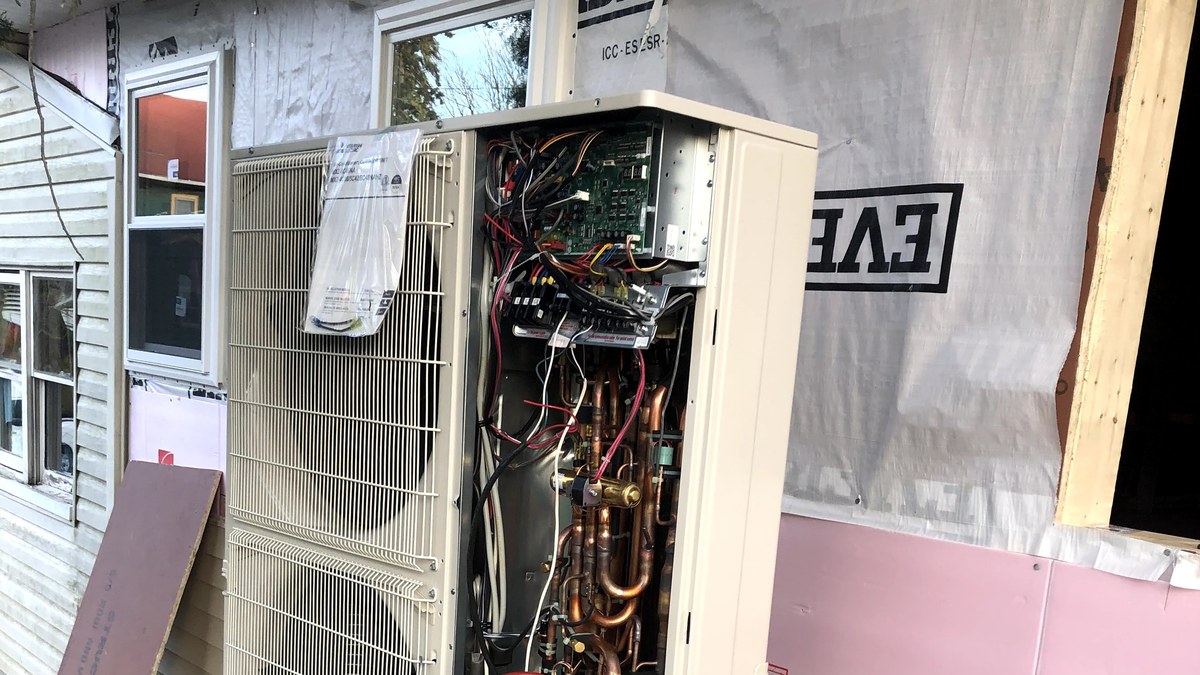
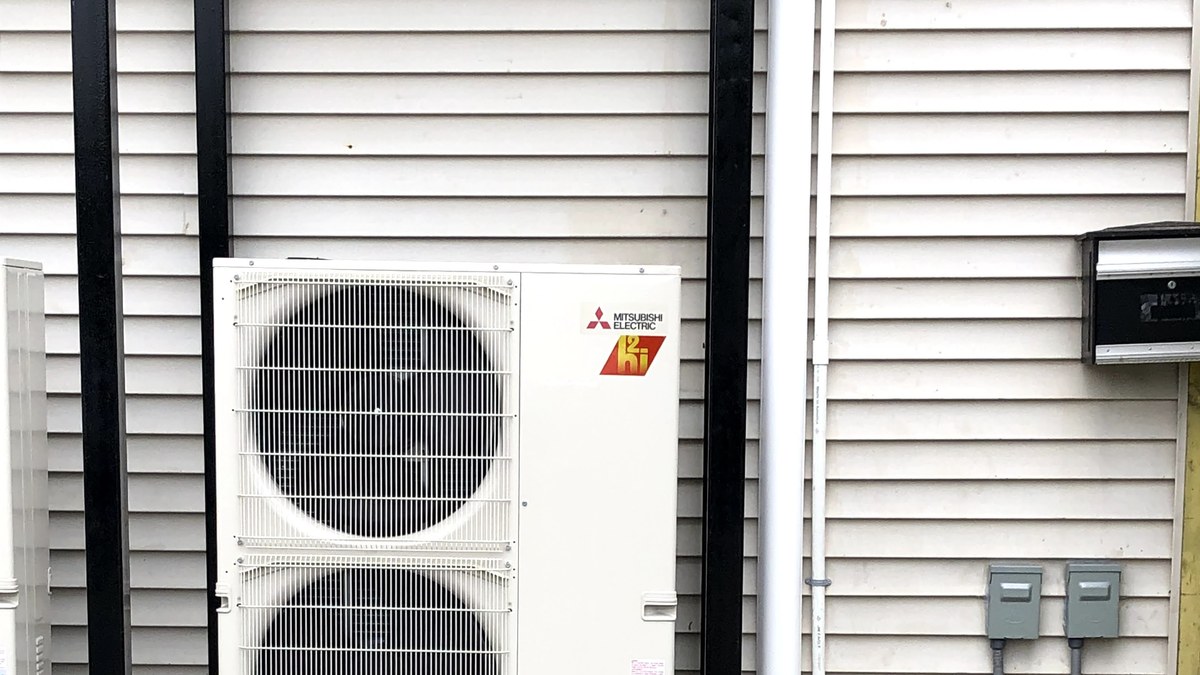
The work photo selected for this post shows an outdoor mini-split or heat pump unit mounted beside a building, with refrigerant piping, electrical components, and service access nearby. That type of setup is a good reminder that installation details and routine maintenance both matter. A system can have quality equipment and still struggle if the outdoor section is crowded, poorly drained, hard to reach, or ignored for too long.
For homeowners and small businesses, mini-split outdoor unit maintenance is about more than keeping the equipment looking clean. It helps protect comfort, efficiency, and repairability.
What the outdoor unit does
The indoor heads are the parts people notice first because they deliver warm or cool air into rooms. The outdoor unit does the heavy lifting behind the scenes. Depending on the season, it moves heat into or out of the building through the refrigerant circuit.
To do that well, the outdoor coil and fans need open airflow. If leaves, snow, trash, weeds, storage items, or tight walls block the unit, the system may run longer than it should. In cooling season, poor airflow can make it harder to reject heat. In heating season, the unit needs room to pull heat from the outdoor air and manage normal defrost cycles.
When airflow is restricted, symptoms can look like a bigger mechanical problem: weak heating or cooling, higher utility use, short cycling, unusual noises, or service codes. Sometimes there is a true equipment issue. Other times, the first problem is the unit’s environment.
Clearance matters for airflow and repairs
Outdoor mini-split and heat pump units need space around them. Exact clearance requirements depend on the manufacturer and model, so installers should follow the equipment manual. As a practical rule, the unit should not be boxed in by fencing, shrubs, snow piles, stored materials, or other equipment.
Good clearance helps in two ways. First, it lets the fans move air across the coil without fighting obstructions. Second, it gives a technician room to remove panels, connect gauges or diagnostic tools, inspect electrical components, and safely service the system.
That service access becomes especially important when a unit is installed in a tight side yard, behind a business, near a driveway, or under a structure. If the system cannot be reached safely, even a simple repair can take longer than it should.
Drainage and mounting are easy to overlook
Outdoor units should sit on a stable base or mounting stand that keeps them level and protected from ground moisture, snow buildup, and shifting soil where possible. The photo used for this article shows the unit elevated on a stand, which is common for heat pump applications in New England where snow and drainage need to be considered.
Drainage matters because heat pumps create water during defrost cycles in cold weather. If water has nowhere to go, it can refreeze around the base, collect near the building, or create a service hazard. Poor drainage can also make the area around the equipment muddy or unstable over time.
For homes and businesses in Massachusetts and New Hampshire, winter conditions should be part of the conversation during installation and maintenance. A unit that seems fine in July may have problems in January if snow banks or ice block airflow.
Piping and electrical details should be protected
The outdoor unit connects to indoor equipment through refrigerant lines, control wiring, and electrical service. Those connections should be routed, secured, insulated, and protected from physical damage.
Homeowners should not remove covers or attempt refrigerant work themselves. Refrigerant-side diagnostics require proper tools and licensing. But it is reasonable to keep an eye out for obvious concerns such as damaged insulation, hanging line sets, loose covers, vegetation growing into the unit, or signs that animals have disturbed the area.
If something looks loose, wet, burnt, iced over in an unusual way, or physically damaged, it is better to schedule service than to keep resetting the system and hoping it clears.
Signs the outdoor unit needs service
Call a local HVAC technician if you notice any of these issues:
- The mini-split is running but rooms are not reaching temperature
- Ice builds up and does not clear during normal operation
- The outdoor fan is not spinning when the system is calling
- The unit makes grinding, rattling, buzzing, or clicking sounds
- Breakers trip or disconnects show signs of trouble
- The outdoor coil is packed with debris
- Water or ice is collecting where it could damage the building or block airflow
- The system displays an error code or shuts itself down
These symptoms do not all point to the same repair. Some are airflow or maintenance issues. Others can involve electrical parts, refrigerant charge, sensors, boards, motors, or installation conditions. A proper diagnosis matters because guessing can lead to unnecessary parts and repeat breakdowns.
Maintenance homeowners can safely do
There are a few simple things most property owners can do without opening the equipment:
- Keep leaves, grass clippings, and trash away from the outdoor unit
- Trim shrubs so air can move freely
- Do not stack boxes, tools, patio items, or snow against the unit
- After storms, check that branches or debris have not blocked the fan area
- In winter, gently clear snow around the unit without damaging fins or piping
- Make sure downspouts are not dumping water directly onto the equipment
Avoid pressure washing the coil, removing panels, bending coil fins, or using sharp tools around the unit. If the coil needs cleaning or the system needs internal inspection, schedule professional service.
Why professional maintenance is worth it
A mini-split tune-up gives a technician a chance to inspect both the indoor and outdoor sides of the system. For the outdoor unit, that can include checking the coil condition, fan operation, electrical connections, refrigerant-related performance indicators, mounting condition, drainage, line insulation, and overall service access.
For homes with multiple indoor heads or businesses relying on ductless systems for offices, additions, server areas, shops, or customer spaces, regular maintenance can help catch small issues before they become comfort complaints. It can also help the system run closer to the way it was designed to operate.
NewGen HVAC also offers a Comfort Plan for homeowners who want routine service, priority scheduling, and member pricing on repairs. For ductless systems, a maintenance plan can be a practical way to stay ahead of dirty coils, drainage issues, and seasonal performance problems.
Local service for Merrimack Valley and Southern NH
NewGen HVAC / New Generation HVAC LLC is a family-run HVAC company based in Methuen, MA. Since 2014, the team has served homeowners and businesses across the Merrimack Valley and Southern New Hampshire, including communities like Lawrence, Haverhill, Andover, North Andover, Lowell, Salem NH, Pelham, and Derry.
The company handles residential HVAC, commercial HVAC, commercial refrigeration, and commercial kitchen equipment, which means the team is used to looking at comfort systems through both a homeowner lens and an operations lens. For mini-splits and heat pumps, that practical experience helps with installation details, maintenance planning, and honest diagnosis when equipment is not keeping up.
Need help with a mini-split or heat pump?
If your mini-split outdoor unit is crowded, noisy, icing over, leaking, or not keeping up, do not wait until the next heat wave or cold snap to find out what is wrong. Contact NewGen HVAC for service in Methuen, the Merrimack Valley, and Southern NH.
Call (978) 876-8558, email jc@newgenhvac.com, or request service through https://www.newgenhvac.com/contact/. For urgent heating, cooling, refrigeration, or kitchen equipment problems that cannot wait, NewGen HVAC also provides 24/7 emergency help.