Older homes need heating maintenance before the first cold week
In Methuen and across the Merrimack Valley, many homes have older basements, tight mechanical rooms, exposed piping, and heating equipment that has been added to or changed over time. That does not automatically mean the system is a problem. It does mean a pre-season heating check should be practical, thorough, and based on the actual equipment in the home.
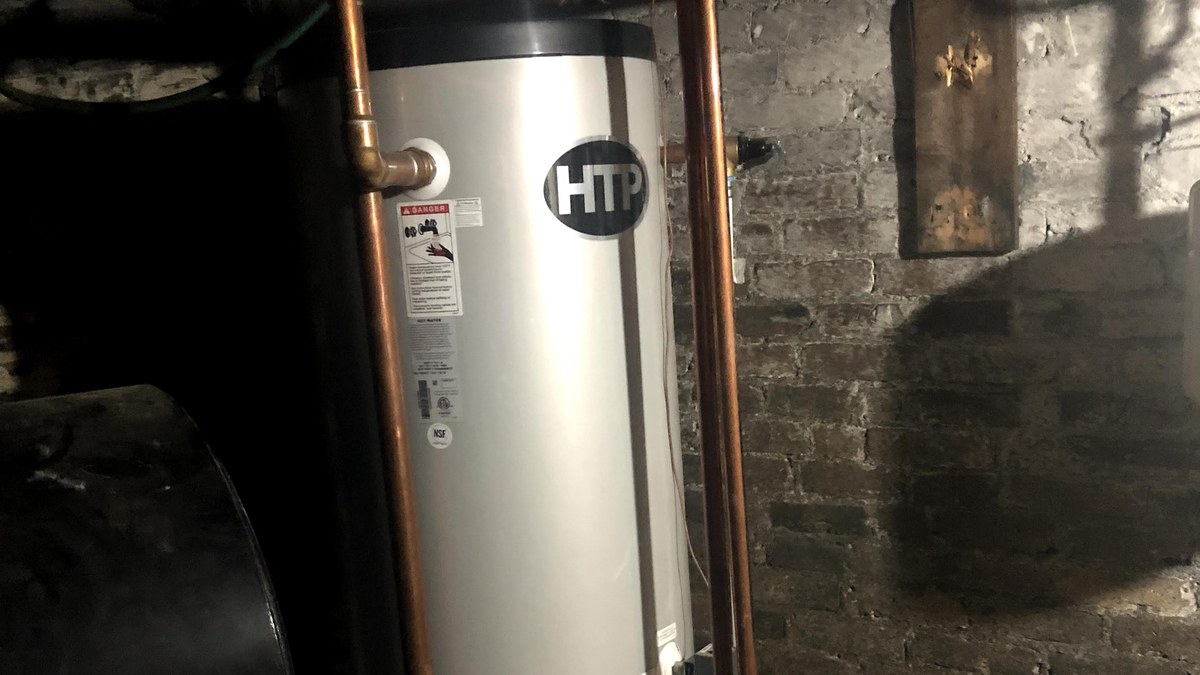
The work photo used for this post shows a basement mechanical room with copper piping, a water heating tank, and older masonry around the equipment. It is a good reminder that heating service is not only about the main unit. Access, piping condition, valves, drainage, venting area, electrical connections, and signs of moisture all matter when colder weather is coming.
NewGen HVAC / New Generation HVAC LLC is a family-run HVAC company based in Methuen, MA, serving homeowners across the Merrimack Valley and Southern New Hampshire. If your heating system has not been checked recently, here is what to watch before fall and winter demand arrives.
Why older Merrimack Valley homes deserve a careful look
Homes in Methuen, Lawrence, Haverhill, Andover, North Andover, Lowell, Tewksbury, Salem NH, Pelham, Derry, and nearby towns often have a mix of old structure and newer equipment. A basement may have limited clearance, older brick or stone walls, low ceilings, and piping that has been adjusted over the years.
That makes a maintenance visit especially valuable. A technician can look at the whole mechanical area instead of treating the heating system as one isolated box. The goal is to spot conditions that could affect comfort, efficiency, safety, or serviceability before the system is running every day.
What homeowners can safely check first
You do not need to open equipment panels or diagnose combustion, wiring, refrigerant, or controls. But you can make a safe visual check around the heating area. Look for:
- storage boxes, paint, or clutter too close to equipment
- signs of water on the floor or around piping
- rust, corrosion, or staining near valves and pipe joints
- unusual odors when the system starts
- new banging, humming, rattling, or clicking sounds
- blocked access to service panels, shutoffs, or filters
- loose insulation or damaged pipe covering
- thermostat behavior that does not match room comfort
- rooms that heat unevenly compared with previous years
If something looks unsafe, smells like fuel, trips a breaker repeatedly, leaks, or will not start normally, stop using the equipment and call for service. Do not keep resetting safety controls or trying to force the system to run.
Service access matters more than many homeowners realize
A clean mechanical room is not just about appearances. Heating equipment needs enough access for inspection, maintenance, and repair. If a technician cannot safely reach valves, panels, filters, drain areas, wiring, or piping, small issues can take longer to diagnose and may be missed.
Before a service visit, clear a reasonable path to the equipment. Move stored items away from the unit. Keep the floor around the system dry and visible. If you are not sure what clearance is needed, do not guess around gas, electrical, or venting components; ask a qualified technician.
Piping, valves, and moisture are important clues
In older basements, piping can tell part of the story. Copper lines, valves, fittings, and nearby walls may show signs of past leaks, condensation, or corrosion. A small drip may not seem urgent in July, but moisture around heating equipment can become a bigger issue once the system is under steady seasonal demand.
Watch for greenish staining on copper, rust on steel parts, mineral buildup, damp floors, or a valve that looks like it has been seeping. These signs do not prove a major failure, but they are worth pointing out during maintenance.
Comfort problems often start before a full breakdown
Many homeowners wait until there is no heat before calling. In reality, heating systems often give warning signs first. The home may take longer to warm up. One area may stay colder than the rest. The system may cycle differently than it used to. A noise may show up only on startup.
Those early changes are useful. They help a technician narrow down whether the issue may involve airflow, controls, pumps, burners, electrical components, piping, venting, or overall system age. Calling early usually gives you more options than waiting for an emergency on the first freezing night.
Maintenance can also help you plan ahead
A pre-season heating inspection is not only for repairs. It can help you understand the condition of the equipment and plan future decisions. If the system is aging, a technician can explain what is working well, what should be watched, and what may need attention later.
That matters for homeowners considering furnace service, heat pump upgrades, ductless mini-splits, or broader heating and cooling improvements. NewGen HVAC keeps the conversation practical: repair what makes sense, maintain what still has life, and discuss replacement only when it is the better long-term option.
When to schedule heating service
The best time to schedule heating maintenance is before the first stretch of cold weather. Late summer and early fall are ideal because the system is not yet under daily load and homeowners have time to address small issues.
You should schedule sooner if:
- the system has not been serviced in the past year
- you noticed uneven heating last winter
- the equipment starts with new noises or odors
- the basement mechanical area shows leaks or corrosion
- you recently bought the home and do not know the service history
- the system struggled during the last heating season
Local heating system help from NewGen HVAC
NewGen HVAC is based in Methuen and serves homes and businesses across the Merrimack Valley and Southern New Hampshire. We handle residential HVAC, commercial HVAC, commercial refrigeration, and commercial kitchen equipment, with honest diagnosis and practical recommendations.
If you want your heating system checked before colder weather, call NewGen HVAC at (978) 876-8558, email jc@newgenhvac.com, or request service through our contact page. Homeowners can also ask about regular maintenance options through the Comfort Plan, review services at /services/, or see local coverage at /service-areas/.
FAQ
What should I check before turning on my heat for the season?
Make sure the area around the equipment is clear, check for visible leaks or rust, listen for unusual startup sounds, confirm the thermostat responds normally, and replace or check filters where applicable. Leave panel removal and technical testing to a qualified HVAC technician.
Is heating maintenance worth it for an older home?
Yes. Older homes often have tighter mechanical spaces and mixed equipment history. Maintenance helps identify comfort, safety, access, airflow, piping, and control issues before peak heating season.
When should I call NewGen HVAC for heating service?
Call if the system will not start, heats unevenly, makes new noises, creates unusual odors, leaks, trips controls, or has not had a recent inspection. For urgent no-heat situations, ask about 24/7 emergency help.