A practical answer: yes, but design matters
Heat pumps can work in New England winters, but the honest answer is not as simple as yes or no. A properly selected cold-climate heat pump can provide reliable heating through much of the winter in Massachusetts and Southern New Hampshire. A poorly sized system, weak airflow, bad placement, dirty coils, or the wrong backup-heat plan can leave a home uncomfortable when the temperature drops.
That difference matters for homeowners in Methuen, the Merrimack Valley, and nearby Southern NH towns. Older homes, additions, finished attics, mixed heating systems, and winter wind exposure all affect performance. Before replacing a furnace, adding mini-splits, or switching from central AC to a heat pump, the system should be matched to the real house.
NewGen HVAC / New Generation HVAC LLC is a family-run HVAC company based in Methuen, MA. Since 2014, we have helped local homeowners with heat pumps, mini-splits, AC systems, furnace service, maintenance, and practical repair-or-replace decisions. Here is the straight answer on what heat pumps can and cannot do in New England winters.
How a heat pump heats a home
A heat pump does not create heat the same way a furnace does. It moves heat. In cooling season, it moves heat out of the home like an air conditioner. In heating season, it reverses that process and pulls heat from outdoor air into the home.
That surprises people because outdoor air can feel very cold and still contain usable heat. The colder it gets, the harder the heat pump has to work, but modern systems are built to operate at lower temperatures than older equipment. That is why heat pumps are now a serious option for many New England homes instead of only being a mild-climate product.
The key is choosing equipment designed for the heating load, not just choosing the smallest or cheapest unit that cools well in summer.
What cold-climate heat pumps do differently
Cold-climate heat pumps are designed to keep delivering heat at lower outdoor temperatures. Depending on the equipment, that may involve variable-speed compressors, improved controls, better defrost management, and performance ratings that show how the system behaves in cold weather.
For homeowners, the important question is not only, “Will this unit heat?” It is, “How much heat can it deliver when my home actually needs it?” A system that looks fine on a mild October day may be undersized for a windy January night.
A good heat pump recommendation should consider:
- the home’s heating load
- insulation and air leakage
- existing ductwork or ductless room layout
- electrical capacity
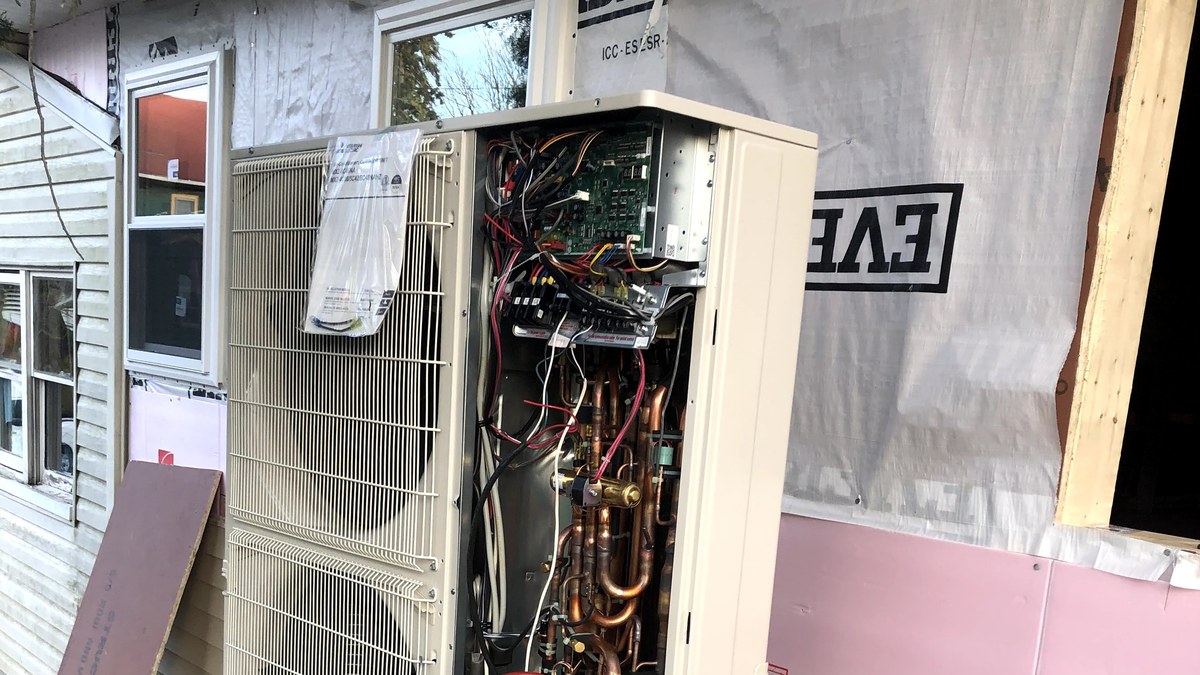
- outdoor unit placement
- backup heat strategy
- comfort expectations during extreme cold
- whether the system is meant to supplement or replace existing heat
Why some heat pumps disappoint in winter
When homeowners are unhappy with heat pump performance, the problem is often not simply that “heat pumps do not work here.” More often, something about the design, installation, maintenance, or home conditions is limiting performance.
Common issues include:
- equipment that is too small for the heating load
- ductwork that leaks or cannot move enough air
- indoor heads placed where air does not reach the right rooms
- outdoor units blocked by snow, shrubs, leaves, or tight walls
- dirty filters or coils reducing airflow
- refrigerant, sensor, or control problems
- no clear backup heat plan for the coldest conditions
- unrealistic expectations from a quote that only focused on summer cooling
This is why a proper inspection matters. The right system in the wrong house, or the right equipment installed without enough attention to airflow and controls, can still underperform.
Backup heat is not a failure
Many New England homes use heat pumps as part of a larger heating strategy. Some homeowners use ductless mini-splits to reduce furnace or boiler use during shoulder seasons and moderate winter weather. Others install ducted heat pumps with electric resistance backup, a furnace, or another backup system depending on the home and equipment design.
Having backup heat does not mean the heat pump was a bad choice. It means the system was planned realistically. On the coldest nights, backup heat may protect comfort while the heat pump continues to do part of the work.
The mistake is pretending every home needs the same setup. A newer, tighter home may have different needs than an older Merrimack Valley home with drafty rooms, limited ductwork, or a finished attic.
Ductless mini-splits vs. ducted heat pumps
Heat pumps can be ductless or ducted. Ductless mini-splits are common in older homes, additions, finished basements, sunrooms, apartments, offices, and rooms that never stay comfortable with the main system. They are flexible because each indoor head serves a zone.
Ducted heat pumps use ductwork to move warm air through the home. They can be a good fit when the existing duct system is sized, sealed, and balanced properly. If the ductwork is weak, leaky, or undersized, replacing the outdoor unit alone may not solve comfort problems.
For some homes, the best answer is a combination: keep an existing heating system, add ductless zones where needed, or replace central AC with a heat pump while improving ducts and controls.
What homeowners should ask before installing a heat pump
Before approving a heat pump installation, ask clear questions:
- Is this system sized for heating, cooling, or both?
- How will it perform during the coldest weather we normally see?
- What backup heat will the home use if needed?
- Are the ducts good enough for a ducted heat pump?
- Where will the outdoor unit sit so snow, ice, and drainage do not cause problems?
- Will the system need electrical upgrades?
- How should filters, coils, and drains be maintained?
- Are there rebate programs I should verify before making a decision?
Rebate programs such as Mass Save or NHSaves may be available to some homeowners, but eligibility, equipment requirements, and program terms can change. NewGen HVAC can discuss your HVAC options, but homeowners should verify current rebate details directly with the program or their utility before counting on an incentive.
Winter maintenance makes a real difference
Heat pump maintenance is especially important before heating season. A system that is dirty, blocked, low on airflow, or struggling with controls may still cool adequately in summer but fall short during winter heating demand.
Before cold weather, homeowners should make sure:
- filters are clean
- indoor heads or registers are not blocked
- outdoor units have room for airflow
- leaves, weeds, and debris are cleared away
- snow will not be piled against the unit
- condensate and drainage issues are addressed
- unusual noises, error codes, or weak heating are checked early
NewGen HVAC offers a Comfort Plan for homeowners who want routine tune-ups, priority scheduling, member pricing on repairs, and a practical way to catch small issues before peak weather. You can learn more at /comfort-plan/.
When to call for heat pump service
Schedule service if your heat pump is running constantly without warming the home, blowing cool air during a heat call, icing heavily, making unusual noises, tripping breakers, showing error codes, or failing to switch between modes correctly.
Some frost during heat pump operation can be normal because the outdoor unit may enter defrost cycles. Heavy ice that does not clear, ice around the base, or performance that keeps getting worse should be checked by a technician. Do not chip ice off coils or force the system to run through repeated faults.
Local heat pump help in Methuen, Merrimack Valley, and Southern NH
NewGen HVAC is based in Methuen and serves homeowners across Lawrence, Haverhill, Andover, North Andover, Lowell, Tewksbury, Salem NH, Pelham, Derry, and nearby Merrimack Valley and Southern New Hampshire communities. We work on residential HVAC, mini-splits, heat pumps, AC systems, furnaces, and seasonal maintenance. We also service commercial HVAC, commercial refrigeration, and commercial kitchen equipment for local businesses.
If you are considering a heat pump, wondering whether your current system can handle winter, or want a heating inspection before cold weather arrives, call (978) 876-8558, email jc@newgenhvac.com, or request service through the contact page. You can also review our services and service areas. For equipment problems that cannot wait, ask about 24/7 emergency help.
FAQ
Do heat pumps really work when it is below freezing?
Yes, many modern heat pumps can operate below freezing. Performance depends on the equipment, installation, home heat loss, airflow, maintenance, and backup heat plan.
Is a heat pump enough for a Massachusetts or New Hampshire winter?
Sometimes, but not for every home without backup. A tight, well-insulated home may need a different plan than an older drafty home. A proper load calculation and system design should guide the recommendation.
Why does my heat pump blow air that feels cooler than furnace heat?
Heat pumps often deliver warm air at a lower temperature than a gas or oil furnace, but they may run longer and more steadily. If the air feels truly cold or the home is not warming, schedule service.
Should I service my heat pump before winter?
Yes. Fall maintenance can catch dirty filters, airflow issues, outdoor unit clearance problems, electrical concerns, drain issues, and early performance problems before heating demand increases.