Commercial Rooftop Unit Not Keeping Up? Warning Signs for Business Owners
For many local businesses, the rooftop HVAC unit is easy to forget about until the space is too hot, too cold, noisy, or uncomfortable for customers and employees. Because the equipment sits above the building, early warning signs can be missed until the problem starts affecting daily operations.
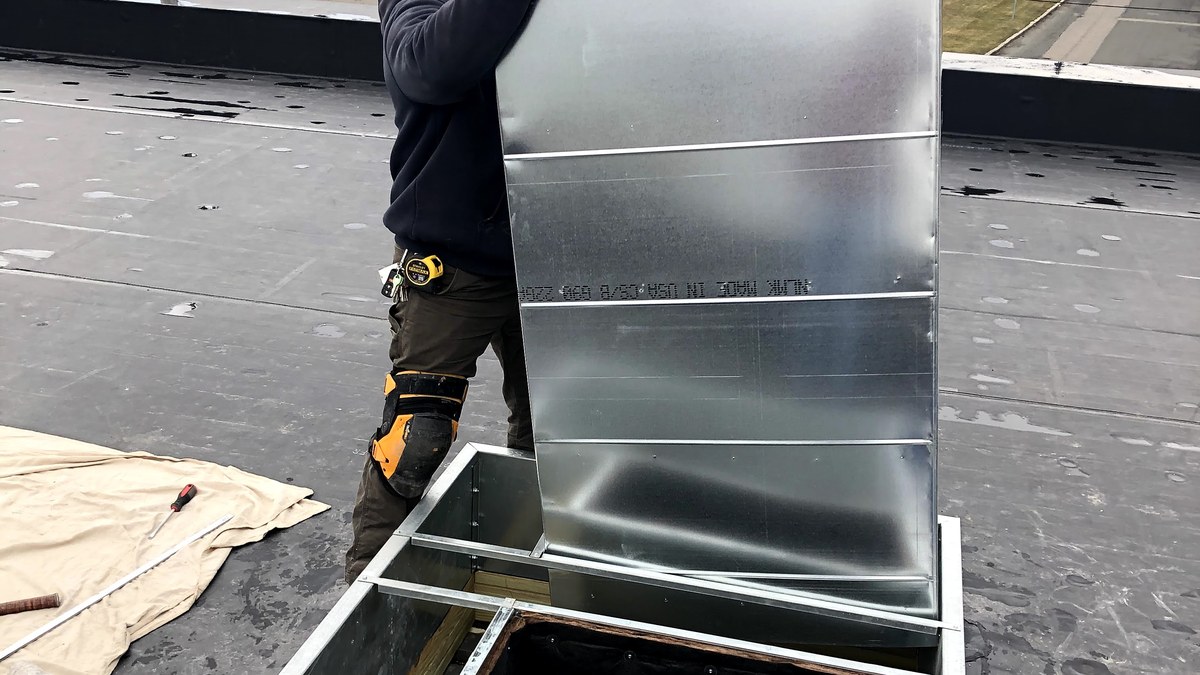
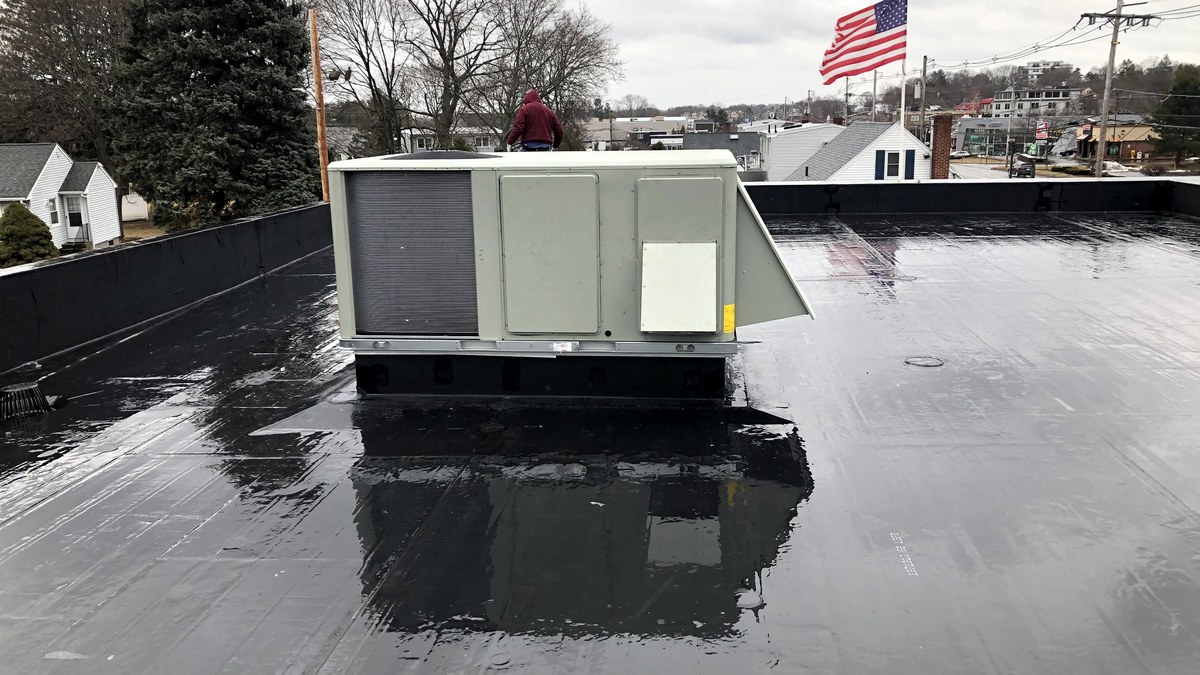
The photo used for this post shows a commercial rooftop HVAC unit on a flat roof with a technician nearby. We are not claiming a specific repair from the image, but it is a good example of the kind of equipment many businesses rely on every day. If this type of system starts struggling, a practical service call can often find the issue before it turns into a bigger shutdown.
NewGen HVAC / New Generation HVAC LLC is based in Methuen, MA and serves businesses across the Merrimack Valley and Southern New Hampshire. Here is what business owners and facility managers should watch for when a commercial rooftop unit is not keeping up.
Why Rooftop Units Matter for Business Comfort
Commercial rooftop units, often called RTUs, are common on restaurants, retail spaces, offices, small commercial buildings, and mixed-use properties. They may provide cooling, heating, ventilation, or a combination of all three. When they are working correctly, the system runs in the background and helps keep the space stable.
When they are not working correctly, the symptoms show up inside the building: uneven temperatures, humidity problems, poor airflow, rising utility bills, complaints from staff, or uncomfortable customers. For restaurants and service businesses, comfort issues can also affect how long people stay, how employees perform, and how professional the space feels.
Warning Sign 1: The Space Feels Comfortable in Some Areas but Not Others
Uneven comfort is one of the most common signs that a commercial HVAC system needs attention. One area may feel fine while another feels warm, stuffy, or cold. This can happen because of airflow restrictions, dirty filters, failing blower components, control problems, ductwork issues, or a unit that is no longer sized correctly for how the space is being used.
Before assuming the entire unit needs replacement, it is worth having the system checked. A technician can look at airflow, belts or blower operation where applicable, filter condition, economizer function, dampers, thermostat location, and other basics that affect distribution.
Warning Sign 2: The Unit Runs Longer Than It Used To
If a rooftop unit seems to run constantly but the building still does not feel right, something is causing the system to work harder than normal. In cooling season, that could involve low refrigerant charge, dirty coils, poor airflow, electrical issues, or aging components. In heating season, it could involve ignition, burners, heat exchanger concerns, controls, or airflow problems depending on the unit type.
Long run times can raise energy use and add wear to equipment. For a business owner, that means the cost is not only the repair itself. It can also include higher operating costs and more risk of a no-heat or no-cooling call during a busy period.
Warning Sign 3: New Noises, Vibration, or Odors
Commercial rooftop units are not silent, but sudden changes matter. Grinding, rattling, squealing, banging, heavy vibration, or unusual odors should not be ignored. These can point to loose panels, failing motors, worn belts, fan issues, electrical problems, or heating-related concerns.
Because rooftop equipment is exposed to weather, wind, temperature swings, and roof conditions, small issues can grow if panels, fasteners, drains, or components are neglected. A service visit can help separate a minor maintenance item from something that needs urgent repair.
Warning Sign 4: Water, Ice, or Drainage Problems Around the Unit
A rooftop unit has to manage condensation and drainage properly. Water where it should not be, standing water near equipment, clogged drains, or ice on lines or coils can be signs of airflow problems, refrigerant issues, blocked drain lines, or roof drainage concerns.
Water issues are especially important because the HVAC problem can become a roof or interior leak problem if it is ignored. If you see staining, dripping, or repeated moisture around a rooftop unit, schedule service before it affects the building envelope or tenant space.
Warning Sign 5: Thermostat Changes Do Not Match System Response
If staff keep adjusting the thermostat but the rooftop unit does not respond predictably, the issue may be more than a simple setting. Controls, sensors, wiring, economizer operation, scheduling, or the thermostat location can all affect performance.
This is common in businesses where hours change, tenant layouts change, doors open frequently, or kitchen and refrigeration loads add heat to the space. A practical diagnosis looks at how the building is actually being used, not just the temperature reading on the wall.
What Business Owners Can Check Safely
You do not need to climb on the roof or open HVAC panels to do a few useful checks. Start with the simple items that are safe from inside the building:
- Confirm the thermostat is set to the right mode and schedule.
- Ask staff where comfort complaints are happening and when they started.
- Check whether doors are being propped open during hot or cold weather.
- Look for blocked supply or return vents inside the space.
- Note any unusual noises, odors, or times when the unit fails to start.
- Keep a record of repeated breaker trips, but do not keep resetting equipment without service.
These notes help a technician diagnose faster. They also help avoid guessing or replacing parts that are not the real cause.
When to Call for Commercial HVAC Service
Call for commercial HVAC service when the unit is not maintaining temperature, comfort complaints are increasing, the system runs constantly, there are unusual noises or smells, water is showing up where it should not, or the unit is affecting business operations.
For restaurants and other businesses with refrigeration or kitchen equipment, it is also helpful to work with a contractor who understands how HVAC, refrigeration, and kitchen heat loads interact. NewGen HVAC handles residential HVAC, commercial HVAC, commercial refrigeration, and commercial kitchen equipment, which helps when a comfort issue may be connected to more than one system.
Local Help for Methuen, Merrimack Valley, and Southern NH Businesses
NewGen HVAC is a family-run, bilingual HVAC company based in Methuen, MA. Since 2014, New Generation HVAC LLC has helped homeowners and businesses across the Merrimack Valley and Southern New Hampshire with practical diagnostics, repairs, maintenance, and replacement guidance.
If your commercial rooftop unit is not keeping up, do not wait until customers, employees, or tenants are uncomfortable. Call NewGen HVAC at (978) 876-8558, email jc@newgenhvac.com, or visit https://www.newgenhvac.com/contact/ to request service or a free estimate. For urgent HVAC, refrigeration, or equipment problems that cannot wait, ask about 24/7 emergency help.
FAQ
How often should a commercial rooftop HVAC unit be serviced?
Most businesses benefit from scheduled maintenance before heavy heating and cooling seasons. The exact schedule depends on the building, equipment condition, operating hours, and how critical comfort is to the business.
Does a struggling rooftop unit always need replacement?
No. Poor airflow, dirty coils, control issues, worn parts, drainage problems, or maintenance issues can all make a unit perform poorly. A proper diagnosis should come before assuming replacement is the only option.
Can NewGen HVAC help with commercial refrigeration too?
Yes. NewGen HVAC services commercial HVAC and commercial refrigeration in-house, including equipment that affects restaurants and food-service operations in the Merrimack Valley and Southern NH.